Entertainment & event marketing

MAKE IT
UNMISSABLE.

Best Marketing connects positioning, campaign creative, media, ticketing journeys, audience follow-up, and measurement around a date that will not move.

Corpus Christi, Texas · Working locally, nationally, and internationally.

Two musicians perform on stage with electric guitars. One sings into a microphone while playing, and the other plays in the background. A fan in the audience raises a hand toward the stage.

THE CLOCK IS PART OF THE STRATEGY

THE CAMPAIGN WINDOW DOESN'T WAIT.

Events and experiences have finite inventory, fixed dates, changing urgency, and audiences who need different reasons to act at different moments.

Crowded attention

The campaign competes with every other event, plan, expense, and piece of content in the audience’s day.

Changing urgency

The message that introduces an experience is not the same message that helps someone decide now.

Creative fatigue

Repetition without a creative system can make the campaign feel old before the event arrives.

FROM DISCOVERY TO THE DOOR

BUILD MOMENTUM ACROSS THE WHOLE CAMPAIGN.

Sharpen the reason to care

Define the audience, experience, promise, proof, and emotional reason this event matters now.

Segment the audience

Distinguish new prospects, past attendees, high-intent visitors, groups, local audiences, and other relevant segments.

Build the rollout

Sequence announcement, education, proof, urgency, reminders, and last-call communication.

Remove ticketing friction

Align campaign promise, landing page, event information, ticket options, and the path to purchase.

Keep the audience

Use post-event communication and audience data responsibly to support the next relevant experience.

ONE CAMPAIGN SYSTEM

CREATIVE ENERGY. COMMERCIAL DISCIPLINE.

The work has to stay distinctive while giving the team enough structure to move quickly.

Positioning & message

A clear reason to attend, grounded in the real experience and audience.

Campaign creative

A flexible visual and verbal system built to evolve across the campaign window.

Web & ticketing journey

Clear event information, mobile paths, ticket options, and calls to action around the established platform.

Paid media

Audience, creative, budget, timing, and landing-page decisions connected around a defined campaign objective.

Content & email

Useful stories, reveals, reminders, and follow-up shaped around the audience’s stage.

Analytics & pacing

Available sales, traffic, campaign, and audience signals interpreted in the context of time remaining and inventory.

FROM ANNOUNCEMENT TO LAST CALL

CHANGE THE MESSAGE AS THE DECISION CHANGES.

Reveal

Introduce the experience and give the core audience a reason to pay attention.

Build

Add story, detail, proof, relevance, and new creative reasons to engage.

Convert

Address friction, clarify options, and make urgency useful rather than artificial.

Extend

Capture learning, continue the relationship, and prepare the next relevant communication.

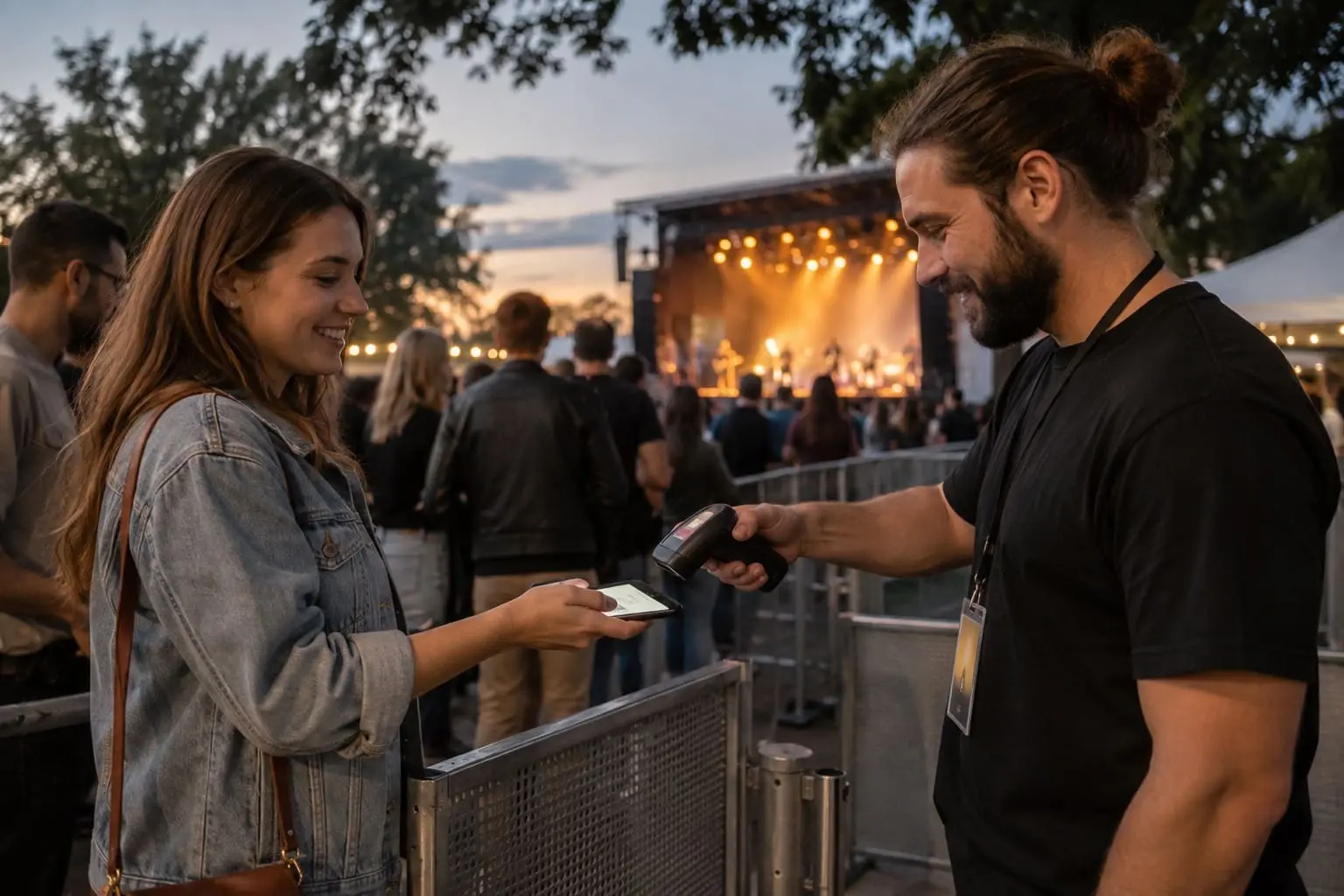
A woman has her phone ticket scanned by an event staff member at an outdoor concert, with a crowd and stage with performers in the background.

HOW WE APPROACH ENTERTAINMENT

PLAN BACKWARD FROM THE EXPERIENCE.

Understand the event

Clarify the audience, experience, capacity, dates, ticket structure, sales pattern, and available data.

Build the campaign story

Define the message, creative territory, audience segments, rollout, channels, and decision points.

Connect the path

Align media, content, landing pages, ticket information, email, and follow-up.

Read the pace

Use available signal to adjust creative, audiences, timing, and priorities without inventing urgency.

ENTERTAINMENT WORK

SEE HOW A CAMPAIGN BUILDS MOMENTUM.

Explore selected work across positioning, event creative, websites, paid media, content, email, and ticketing journeys.

Straight answers

QUESTIONS ABOUT ENTERTAINMENT & EVENTS MARKETING.

Clear scope. Practical expectations. No guesswork.

The approach can apply to venues, live events, attractions, festivals, promoters, experience operators, and cultural organizations. Fit depends on the audience, calendar, inventory, systems, goals, and work required.

Often, yes. We can plan the campaign and customer journey around an established ticketing platform. Access, tracking, integration, and development responsibilities should be confirmed before work begins.

No. Attendance depends on the experience, audience demand, date, market, price, inventory, competition, creative, media, ticketing journey, and many factors outside an agency’s control.

Timing depends on audience awareness, event type, price, travel requirements, campaign window, on-sale date, sales pattern, and available creative. The runway and milestones should be defined around the specific event.

Measurement may include qualified traffic, ticketing-path engagement, sales, revenue, audience response, cost of acquisition, pacing, repeat attendance, or another verified indicator supported by the available systems.

Let’s talk

BUILD THE CAMPAIGN BEFORE THE CLOCK GETS LOUD.

Tell us about the experience, audience, ticketing journey, campaign window, and where demand needs greater clarity or momentum.

A focused conversation. Clear next steps. No generic pitch.